What Is Click Fraud and How Does It Drain Ad Budgets?
By Traxotool · August 25, 2026 · 7 min read
Click fraud is the practice of generating fake clicks on paid ads so that money leaves your budget without any real person ever seeing your offer. It drains ad spend because you pay for every click your campaign receives, and a fraudulent click costs the same as a genuine one while returning zero chance of a sale, a lead, or even an honest bounce.
If you run paid traffic, you have already paid for some of these clicks. The question is how many, and what you plan to do about it.
The Definition and Mechanics of Click Fraud
Click fraud sits inside a larger bucket called invalid traffic, or IVT: any click or impression that has no legitimate value. Some IVT is accidental, like a user double-clicking or a misfired script. Click fraud is the deliberate slice, generated on purpose to steal budget, drain a competitor, or inflate a publisher's earnings.
The mechanics are simple once you see them. An attacker sends automated or low-quality traffic to your ad. Each click registers as real, your cost-per-click meter ticks up, and the visitor either bounces instantly or never had a browser session worth counting. Common methods include:
- Bots and scripts that load your landing page and click ads at scale.
- Click farms, where paid humans tap ads on racks of real phones to look organic.
- Proxy and VPN traffic that masks the true origin and lets one source appear as many.
- Datacenter traffic, where clicks originate from servers rather than home or mobile connections.
Bots do the heavy lifting. Automated traffic makes up a large share of all activity online, and a meaningful portion of it exists to click things it should not.
Who Commits Click Fraud and Why
Click fraud is rarely random. Follow the money and you find four recurring actors, each with a clear motive.
Fraudulent publishers. Sites and apps in ad networks earn per click. Some inflate their numbers with bots to boost payouts, which is why low-quality placements in a media buy often show suspicious activity.
Competitors. A rival can burn through your daily budget by repeatedly clicking your ads. Once your budget caps out, your ad stops showing and theirs takes the top spot at a lower price.
Organized fraud rings. These operations run at industrial scale, spinning up bot networks and click farms across many campaigns at once. They treat stolen ad budget as a business.
Arbitrage and network abusers. Some operators route traffic through layers of intermediaries, mixing a little real traffic with a lot of junk to make the whole batch look acceptable.
Understanding the motive matters because it shapes where fraud shows up. Competitor clicks cluster on your branded search terms. Publisher fraud clusters on specific placements or zones. That pattern is exactly why granular tracking parameters, like zone_id and sub_id, are so useful for isolating the source.
The Financial Impact on Advertisers
The numbers are large and getting larger. Juniper Research projects that advertisers will lose roughly $100 billion to ad fraud in 2026, around 22% of total media spend, with losses forecast to climb toward $172 billion by 2028, per reporting in MarTech. That is close to a quarter of every dollar at risk.
Independent measurement backs up the scale. Lunio's 2026 Global Invalid Traffic Report puts the average global IVT rate at 8.51% across the countries it analyzed, and estimates that in the United States alone, more than $25 billion in ad spend drove traffic with no real conversion potential.
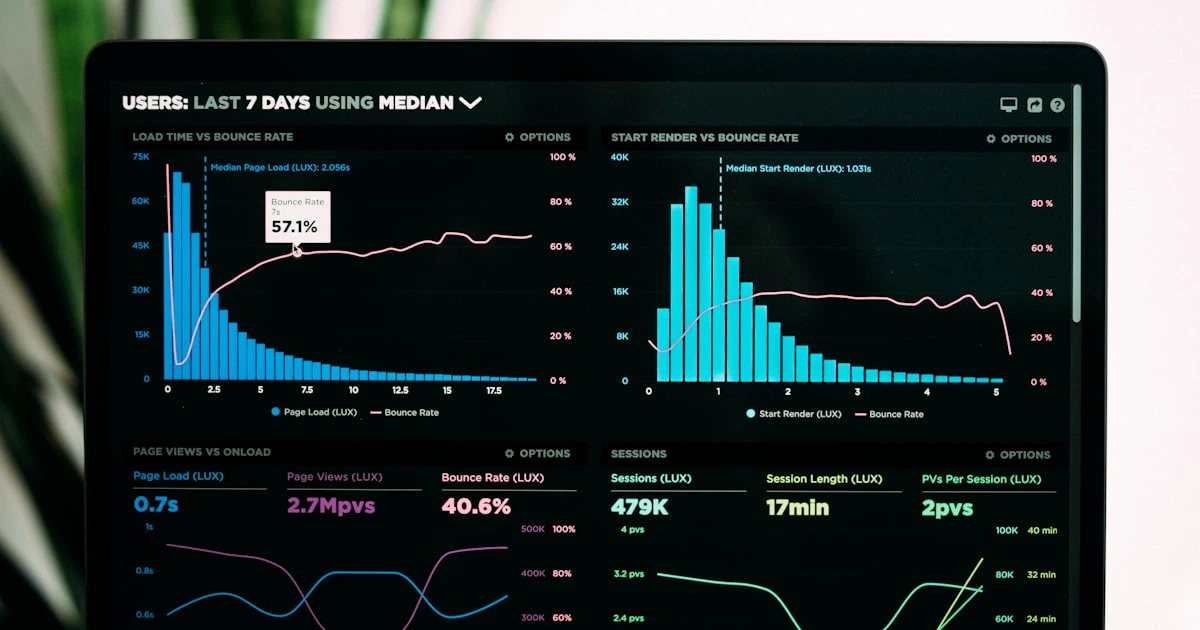
The damage is not only the wasted click cost. Fraud poisons every metric downstream:
- Inflated click volume hides your true cost per acquisition and makes losing campaigns look breakeven.
- Skewed optimization teaches ad platform algorithms to chase the wrong audiences, since the models learn from polluted data.
- Broken attribution means you can no longer trust which channel or creative actually drove revenue.
- Wasted team time goes into analyzing performance that was never real.
A campaign showing a strong click-through rate and weak conversions is often not a landing page problem. It is a traffic quality problem wearing a landing page costume.
How to Detect Click Fraud in Your Campaigns
You do not need enterprise tooling to spot the first signs. Pull your campaign data and look for these patterns.
Clicks up, conversions flat. The single most reliable tell. If click volume jumps while sales or leads stay level, you are paying for traffic that cannot buy.
Abnormal bounce rates and near-zero time on page. Real visitors linger, scroll, and sometimes convert. Bots load and leave.
Repeated clicks from the same IP or narrow IP range. Genuine audiences are spread across many networks. A cluster from one address or subnet is a red flag.
Traffic from datacenters, VPNs, and proxies. Ordinary shoppers browse from home and mobile networks. A surge from server IP ranges usually means automated traffic. Our walkthrough on how to spot datacenter traffic shows exactly what to look for in your logs.
Odd timing and geography. Clicks at 3 a.m. from regions you do not target, arriving in perfectly even intervals, point to a script rather than a person.
Here is a quick reference for triage:
| Signal | Likely genuine | Likely fraudulent |
|---|---|---|
| Bounce rate | Moderate, varied | Near 100%, uniform |
| Time on page | Seconds to minutes | Under one second |
| IP source | Residential, mobile | Datacenter, proxy, VPN |
| Conversion rate | Consistent with baseline | Collapses as clicks rise |
| Click timing | Irregular, human | Even intervals, off-hours |
Detection tells you the damage after it happens. To act on it, tighten your measurement first. Clean conversion tracking gives you the baseline you need to see when fraud pushes your numbers out of range.
Preventing Click Fraud With Real-Time Protection
Reviewing a traffic report tells you what you already lost. Real-time protection stops the loss as it happens by screening each click before it reaches your offer.
The model is straightforward. You place a protection layer between your traffic source and your landing page. Every incoming click runs through an anti-fraud check that scores it for VPN, proxy, bot, datacenter, and low-quality IP signals in milliseconds. Clean visitors continue to your real offer. Suspicious clicks are routed elsewhere, so they never touch your conversion funnel or corrupt your data.
This is where a Good URL / Bad URL setup earns its keep. Legitimate traffic reaches the Good URL, your actual campaign page. Flagged traffic goes to the Bad URL, which can be a safe page, a backup offer, or a dead end. Crucially, the whole check preserves your tracking parameters, so you keep clean attribution:
/A7K91?zone_id={zone_id}&sub_id={sub_id}
With parameters intact, you can still see which zone_id or sub_id sent the junk and cut it at the source in your ad network.
Traxotool is built for exactly this workflow. It routes each click through an anti-fraud check, sends clean visitors to your Good URL and suspicious traffic to your Bad URL, and preserves your tracking parameters throughout. Billing is usage-based, from $0.15 per 1,000 checks with a $10 minimum, so the cost of screening a click is a small fraction of the cost of paying for a fraudulent one.
A practical setup looks like this:
- Build a protected link that wraps your offer URL.
- Set your Good URL (the real offer) and Bad URL (the fallback).
- Pass your existing zone_id and sub_id parameters through the link.
- Send campaign traffic to the protected link instead of the raw offer.
- Review the traffic report, then block the zones and sources feeding you fraud.
Common mistake: Turning on filtering and never reading the report. The filter protects your funnel, but the report is what lets you renegotiate with a network or kill a bad placement for good. Check it weekly.
If you are still deciding between approaches, our buyer's guide to campaign traffic protection compares the tradeoffs in plain terms.
Where to Go From Here
Click fraud is a fixed cost of buying traffic until you decide to measure it and route around it. The next move is small and cheap: wrap one live campaign in a protected link, split clean and suspicious traffic, and compare the conversion rate on filtered traffic against what you were getting before. If the filtered traffic converts better and your reported clicks drop, you just found where your budget was leaking. You can start testing this on a single campaign for the price of a $10 top-up, which is a low bar to confirm how much of your spend was ever real.
Frequently asked questions
Is click fraud illegal?
In most jurisdictions click fraud is a form of fraud and is illegal, but enforcement is difficult because attackers operate across borders and hide behind proxies. Most advertisers focus on prevention rather than prosecution.
What is the difference between click fraud and invalid traffic?
Invalid traffic (IVT) is the broader category that includes accidental and non-malicious junk clicks. Click fraud is the deliberate subset committed to steal budget or damage a competitor.
Can Google Ads or Meta refund click fraud?
Both platforms filter some invalid clicks automatically and issue credits for what they catch, but their systems miss a meaningful share. A third-party filter gives you an independent record and tighter control.
How much does click fraud protection cost?
Costs vary by model. Usage-based tools charge per click checked, often a fraction of a cent, which usually pays for itself against the wasted spend it prevents.