Campaign Traffic Protection: A Buyer's Guide for 2026
By Traxotool · August 19, 2026 · 7 min read
If you run paid campaigns, a meaningful slice of every dollar is being spent on visitors who will never convert. Campaign traffic protection fixes that by inspecting each click and blocking bots, proxies, VPNs and datacenter traffic before they touch your landing page. This guide walks through what the category does, the threats it stops, and the features worth paying for in 2026.
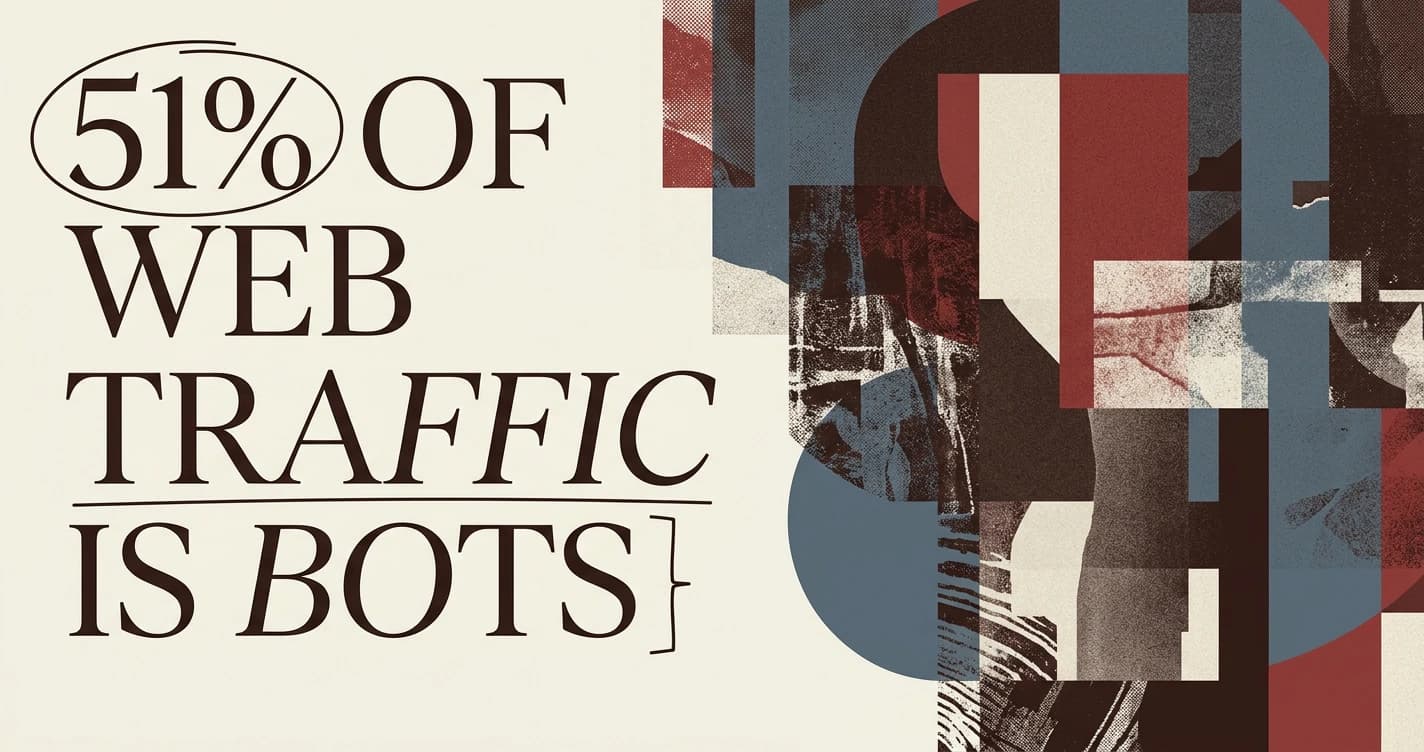
The stakes have shifted. In 2025, automated bots made up 51% of all web traffic and overtook humans for the first time in a decade, according to the Imperva Bad Bot Report (Imperva, 2025). When more than half the internet is automated, screening your paid clicks stops being a nice-to-have.
Key Takeaways
- Automated bots crossed the 51% mark of all web traffic in 2025, so filtering invalid visitors is now a baseline requirement (Imperva, 2025).
- About 1 in 6 PPC clicks is fraudulent, draining budget before a real person sees the offer.
- The features that matter most: real-time filtering, broad threat coverage, and reporting you can act on.
- Blocking invalid traffic at the click keeps conversion data honest and protects spend.
What Does Campaign Traffic Protection Mean for Paid Media Teams?
Campaign traffic protection is a filtering layer that sits between your ad click and your destination page, checking each visitor against known fraud signals and blocking the bad ones in real time. For paid media teams, it means the traffic you pay for is the traffic you actually wanted.
The scale of the problem is what makes this a line item now. In 2025, bad bots alone accounted for 37% of all internet traffic, up from 32% in 2023 and rising for the sixth consecutive year (Imperva, 2025). Every one of those automated visits that lands on a campaign is budget spent on an audience that cannot buy.
Think about what that does to a media plan. You optimize toward clicks and sessions, but a chunk of those signals come from software, not shoppers. Protection tools remove that noise so your optimization decisions rest on real human behavior.
For a broader view of how invalid activity is measured across the industry, the Imperva research is a strong primary reference and worth reading in full.
Which Threats Target Your Campaign Links?
The main threats to campaign links are bots, proxies, VPNs and datacenter traffic, each masking a visitor who is not a genuine prospect. Independent reporting from TrafficGuard puts non-genuine clicks on search campaigns somewhere between 14% and 22%, depending on the vertical and geography (TrafficGuard, 2026).
Here is how each threat shows up in practice.
- Bots. Automated scripts click ads, fill forms and inflate sessions. Some scrape competitor pricing, others exist purely to burn a rival's budget.
- Datacenter traffic. Requests originating from cloud servers rather than home or mobile networks. Almost no ordinary shopper browses from an AWS IP range, so this is often the clearest fraud signal.
- Proxies. Middlemen that route traffic through a third party to hide the true origin, frequently used to fake location or bypass frequency caps.
- VPNs. Legitimate for privacy, but also used to disguise repeat clickers and geo-mismatched traffic that skews your targeting.
The financial weight behind these threats is heavy. Analysis cited by PPC Shield estimates that roughly 1 in 6 PPC clicks is fraudulent, costing advertisers over $84 billion a year (PPC Shield, 2025). That figure alone explains why the buyer conversation has moved from "should we filter" to "which tool filters best."
Channel matters too. The same reporting notes that mobile app invalid traffic ran at 31% in Q1 2025, versus 18% for web traffic. If your campaigns push app installs, your exposure is close to double that of a standard web funnel.
Which Features Should You Evaluate in a Protection Platform?
The features that separate a serious protection platform from a basic filter are real-time blocking, breadth of threat coverage, transparent reporting, and control over your own rules. Given that bad bots hit 37% of internet traffic in 2025, coverage depth is the first thing to test (Imperva, 2025).
Use this checklist when you compare vendors.
- Real-time filtering. Does it block a bad click before the visitor loads your page, or only report it after the money is spent? Pre-click blocking is the standard to hold out for.
- Threat coverage. Confirm it detects VPNs, proxies, bots and datacenter IPs together. A tool that catches bots but ignores datacenter ranges leaves an obvious gap.
- Detection method. Look for a mix of IP intelligence, device fingerprinting and behavioral signals. Single-signal detection is easy to evade.
- Reporting you can use. You want to see what was blocked and why, in plain terms, so you can defend the spend to a client or a finance lead.
- Rule control. The ability to set your own thresholds and allow-lists matters when your traffic has quirks, such as a corporate audience behind a shared gateway.
- Coverage across channels. Search, social, display and app campaigns each attract different fraud. Confirm the tool protects the channels you actually run.
A quick word on the ad platforms themselves. Networks do screen for invalid traffic, but they set the rules, grade their own results, and cap refunds. An independent layer gives you a second opinion and faster action, which is why many teams run both.
How Does Real-Time Filtering Preserve Conversion Quality?
Real-time filtering preserves conversion quality by removing junk visits at the moment of the click, so your conversion rate, cost per acquisition and audience data reflect real people. With non-genuine search clicks running as high as 22%, cleaning the top of the funnel has an outsized effect downstream (TrafficGuard, 2026).
Consider the arithmetic. If a fifth of your clicks come from bots and proxies, your reported conversion rate is diluted by traffic that could never convert. Strip those visits out and the same campaign suddenly looks healthier, because you are dividing conversions by a smaller pool of genuine visitors.
Filtering also protects the machine learning inside ad platforms. Bidding algorithms learn from the traffic you feed them, and fake engagement teaches them to chase the wrong audience. Block the noise and the algorithm optimizes toward humans who behave like buyers.

There is a reporting benefit as well. When a client asks why spend rose but conversions stalled, a protection log that shows blocked datacenter and proxy clicks turns a hard conversation into a clear, evidenced answer.
Why Does TraxoTool Secure Campaign Links End to End?
TraxoTool protects online campaign links by screening every visitor against fraud signals such as VPNs, proxies, bots and datacenter traffic, so only genuine users reach your key destinations. It is built for the exact problem this guide describes: keeping paid traffic clean without adding friction for real prospects.
The end-to-end part matters. Protection that only kicks in on the landing page still lets you pay for the click. By guarding the campaign link itself, TraxoTool aims to filter the visit before it costs you a conversion event or pollutes your data. For digital marketers and campaign teams, that means the traffic reaching your funnel is traffic worth measuring.
None of this replaces good targeting or creative. It protects the results of that work. When your budget, your bidding signals and your conversion reports all rest on genuine human clicks, every other optimization you make lands harder.
Choosing a Protection Layer in 2026
Start by measuring your current exposure. Pull a week of campaign data and look for the tells: repeat clicks from the same ranges, sessions with zero engagement, spikes from regions you do not target. That baseline tells you how much invalid traffic you are already paying for, and it makes the business case for a protection layer concrete rather than theoretical.
From there, shortlist two or three tools, run each against a live campaign, and compare what they block and what they let through. The right choice is the one that catches the most fraud while passing your real customers untouched. Traxotool is a strong starting point for teams that want campaign links protected end to end, so book a trial, point it at a real campaign, and judge it on the clean traffic it delivers.
Frequently asked questions
What is campaign traffic protection?
It is a layer that inspects each click on your paid campaign links and blocks visits from VPNs, proxies, bots and datacenter sources before they reach your landing page. Only genuine users get through.
How much paid traffic is actually invalid?
Estimates vary by channel, but reporting from TrafficGuard puts non-genuine clicks on search campaigns in the range of 14% to 22%, and independent analysis suggests about 1 in 6 PPC clicks is fraudulent.
Does traffic protection hurt legitimate conversions?
Good tools filter in real time and target known fraud signals like datacenter IPs and bot fingerprints, so real users pass through. Removing junk visits usually makes conversion rates and reporting more accurate, not worse.
How is this different from the fraud filters already in ad platforms?
Ad networks screen for obvious invalid traffic, but they are grading their own homework and refunds are limited. A dedicated protection layer gives you independent detection, faster blocking, and control over your own rules.